Contraves Electro-Optical Tracking System, Model F (EOTS-F) Astrodome
| Type: | Optical tracking cinetheodolite |
| Used: | 1973-1992 |
| Site location: | Southwest 50 |
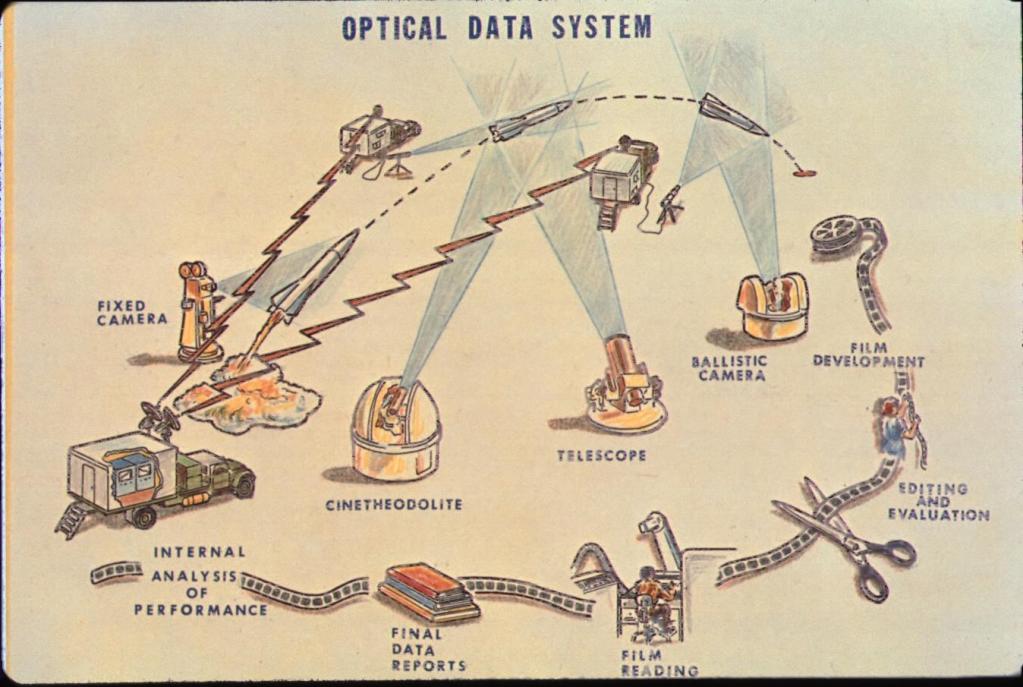
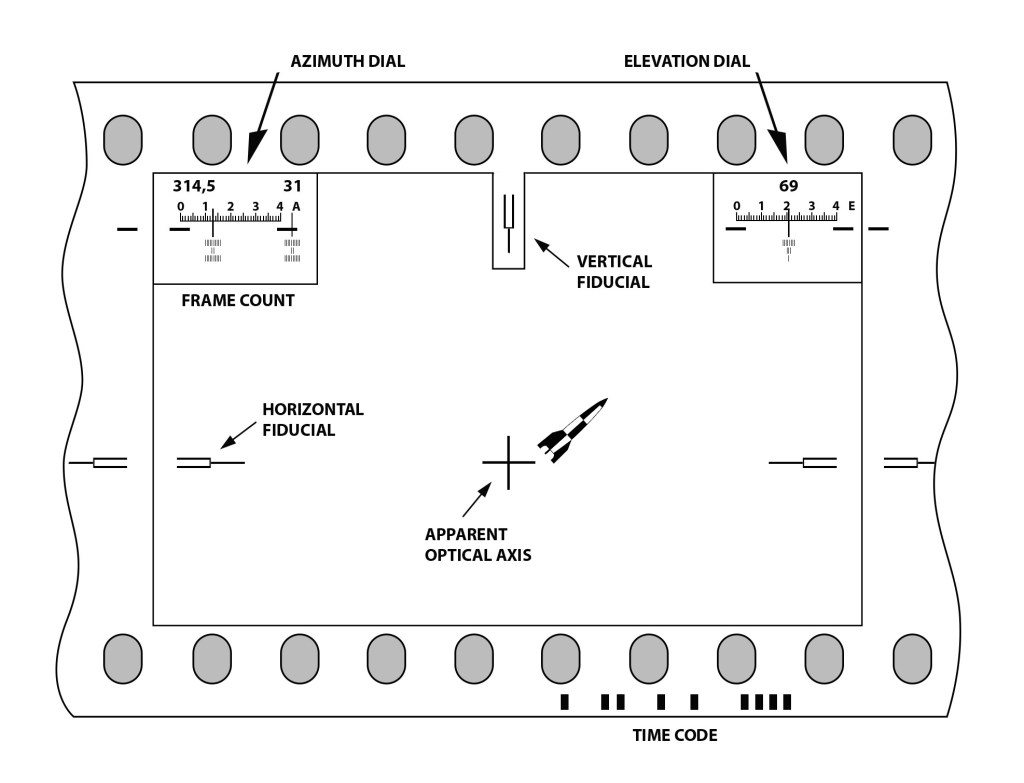
A cinetheodolite is an optical tracking instrument designed to provide angular measurement of the line of sight from the instrument to the missile. The missile image and angle data are recorded on film simultaneously at selected frame rates varying from one to sixty frames per second. The cinetheodolites of the 1960s could yield position data accurate to approximately plus/minus 30 seconds of arc. Other information, such as velocity, acceleration, and changes to pitch, yaw, or roll could be derived from the primary data.
The Contraves Electro-Optical Tracking System, Model F (EOTS-F) replaced the Askania Tracking System that was used from the late 1950s until August 1972. The 10-foot Astrodome and its tower were installed in 1967 and were designed to house a 5 arc-second Askania instrument.
The EOTS-F was installed on 8 December 1972 and was officially accepted for operations on 29 January 1973. At that time, the Contraves systems became operational in both mobile and fixed location configurations. This cinetheodolite was located at one of many optical instrumentation sites at White Sands Missile Range. The EOTS-F was used to record data during performance testing of missiles, aircraft, and other experimental weapon systems.


EOTS cinetheodolites were originally used in the southern part of the Range, while other models, such as the Askania Kth-51/52/53 were used throughout the Range. These fixed cinetheodolites were retired in 1992 to make way for the new Kineto Tracking Mount (KTM) Systems.